'The Lego Movie' UK Ad Break
Trailer 1
British Heart
Foundation
|
Poster 2
Confused.com
|
Poster 3
BT Infinity
|
Poster 4
Premier Inn
|
Poster 5
The Lego Movie
|
|
Cinematography & WHY
(Shot, Angles, Movement)
Why did they choose these shot types/angles?
PICK SOME OF THE MOST IMPORTANT |
Long Shot:
Establish the Lego setting
Foreground Shot:
Focus on the patient and the person demonstrating CPR
Zoom Out:
Shows the other characters listening – reflects the
audience
Close Up:
Reinforces the idea that mouth-to-mouth CPR is a myth
|
Long Shot:
Establish the Lego setting
Close Shot:
Show the ‘youths’ expressions
Over the Shoulder:
Shows the view of the youths and makes you feel beside them
High Angle:
Makes the robot seem inferior and innocent to the youths
|
Pan Shot:
Focuses on the happiness of the woman and the frustration of
the man
Foreground to Background:
Foreground focuses on the loading device and the
background shows the instant irritation the man feels
Long Shot:
Focuses on the man and woman, showing them as a couple
Over the Shoulder: Revealing BT Infinity’s prices, to the
man
|
Crane Shot:
Showing the Lego setting of the train station
Foreground:
Focusing on the man in bed, with the busy settings in the
background to show how comfy it is
Zoom Out:
Allows a nice setting to set up the announcement of the ‘Premier
Inn’
|
Low Angle:
Shows the citizens as inferior to what follows
Zoom In Close Shot:
Focus on Emmet’s concerned face
Background:
Reveals Batman as part of the story
|
Editing & WHY
Fast paced?
Continuity editing?
Any transitions?
Two shot?
|
Slow Paced:
Allows the main character to get his CPR instructions across
Straight Cut
|
Moderately Paced:
Reflects how the youths are chilling out, but also cuts several cuts to show all the different characters expressions
Straight Cut
|
Moderately Paced:
Fast paced when they are resolving their broadband problem
to reflect confusion and stress. Slow paced at the beginning and end to
display them as a couple
Straight Cut
|
Slow Paced:
Reflects the comfortable, sleepy mood the advert wants to
reflect on the audience
Straight Cut
|
Fast Paced:
Reflects wacky, animated action sequences, whilst also
trying to display multiple elements in the film without using too much time.
Straight Cut
|
Sound & WHY
Diegetic?
Non-diegetic?
Parallel/contrapuntal?
|
Diegetic:
More personal connection between character and audience if
the character on screen is talking.
|
Diegetic:
Establishes the characters as young people with the slang
they use.
Non-Diegetic:
Music in the background reinforces the idea the characters
are young.
|
Diegetic:
Music reflects the mood when they decide to buy BT
Infinity.
|
Non-Diegetic:
Calm happy mood reflects perhaps the mood the Premier Inn
gives you
|
Diegetic:
Audience can hear what the characters are saying, also
they might want to hear their favourite actors as voice actors.
Non-Diegetic:
Music reflects the ‘end of the world’ theme
|
Intertextuality
Where the meaning of a text
references other texts - homage, pastiche or parody, or by playing with
generic expectations
|
Main character:
Refers to Vinny Jones' cockney-gangster roles Song: Bee Gees - Staying Alive |
Confused.com Robot:
Very similar voice, vocabulary and mannerisms as
C-3PO
|
Vitruvius in the arena:
‘Gladiator’
Dragon:
Smaug from ‘The Hobbit’ franchise
Lord Business:
Galactus from Marvel Comics
Lord Business says: "Release the Kragle!" - in 'Clash of the Titans', Zeus say: "Release the Kraken!"
Train track explosion:
Similar to ‘Spider-Man’ (2002) and ‘Toy Story 3’ opening
scene
Low-angle shot on roof:
‘Kung Fu Panda 2’
|
||
Race/ethnicity
|
All white to reflect the cockney-geezer character.
|
Mix of races, reflects their Londoner accents as London is
multi-cultured.
|
Both white.
|
The man speaking is black, mixed-races around him in the
settings.
|
Mostly white, except for Vitruvius, voiced by Morgan
Freeman
|
Audience Appeal
|
Appeals to a more adult audience, as experiencing
heart-attacks is too complicating and traumatic for kids. Also kids cannot ‘kiss
your (their) Mrs. On the lips’.
|
For ages 17+ because it’s selling car insurance.
|
For older people who need to pay for broadband.
|
For older people to book a hotel.
|
For both adults, as they can identify intertextuality and
their favourite actors as Lego characters, and for kids, it’s based on the
most popular toy in the world.
|
Location
|
In a street or somewhere with concrete, to reflect the
gang.
|
Car park, to reflect car insurance and the group of
youths.
|
At home as that is where you put your broadband.
|
Train station, grassy wedding venue and central London.
All typically noisy places which you can even sleep through in a Premier Inn
bed.
|
In the Lego world as that is where the story takes place.
|
Intetextuality from 'The Lego Movie' trailer:
From 2:52 - 'Clash of the Titans':
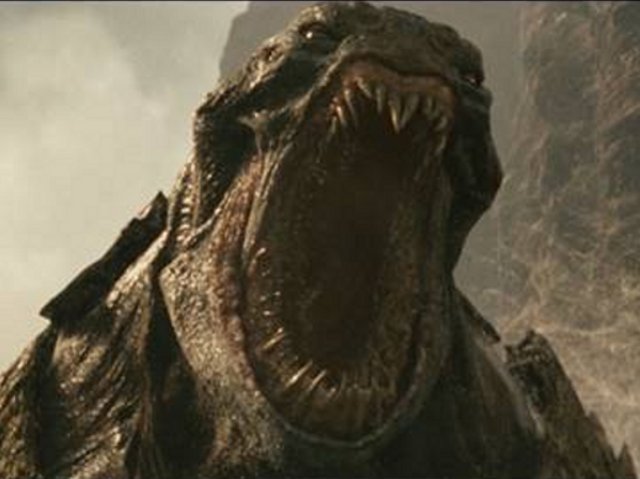

Pause at 3:00 - 'The Hobbit: The Desolation of Smaug'

Pause at 3:02 - Galactus

Pause at 3:07 - 'Toy Story 3'

Pause at 3:14 - 'Kung Fu Panda 2'

How has media language used to create meaning in 'The Lego Movie' advertising campaign? In your answer, you must talk about the poster campaign and the trailer? (10 marks)
In 'The Lego Movie' advertising trailer campaign, the use of camera angles in the Confused.com advert is used to emphasise how good the car insurance deal is. The use of a high angle shot on Brian shows Brian to be inferior to the youths. This is done to emphasise how even the youths, who joked about him earlier, are now very impressed by the deal Brian offers. This is done to reflect how the audience should feel when reacting to the car insurance deal.
In 'The Lego Movie' advertising trailer campaign, the love relationship in the BT Infinity advert, reflects what they will see in the movie. In the BT Infinity adverts it is about a couple, and also 'The Lego Movie', the movie revolves around Emmet and Wyldstyle's relationship. This is done so potential ticket-buyers understand what they are about to witness when watching 'The Lego Movie'.
In 'The Lego Movie' advertising trailer campaign, the diegetic sound in the British Heart Foundation advert is used to create meaning. In the advert, Vinny Jones' character talks to the audience about giving CPR. This is to make it feel like a direct address, so the audience can listen to his instructions about giving CPR.
To conclude, most media language in the whole trailer used is to make more money. This is because the camera angles, sound and editing makes the advert more likeable, whilst showcasing the great deals the companies have to offer.
Absolutely brilliant Benji! Very strong analysis and your contributions to the class discussion were great.
ReplyDeleteI love how you've shown the intertextuality!
How has media language used to create meaning in 'The Lego Movie' advertising campaign? In your answer, you must talk about the poster campaign and the trailer? (10 marks)
EXCELLENT! Really impressive Benji. Your analysis and links to the set product are fantastic.
10/10
Miss C